الأنشطة والأخبار
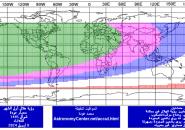 باعتماد رؤية الهلال: الأربعاء 10 إبريل عيد الفطر السعيد
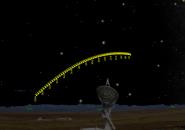 مذنب لامع يشاهد في السماء الآن في جهة الغرب
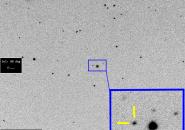 مرصد الختم الفلكي يصور أسطع "كوايزر" في الكون اكتشف مؤخرا
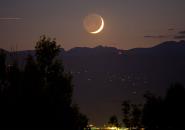 بيان فلكي حول ظروف رؤية هلال شهر رمضان المبارك 1445هـ
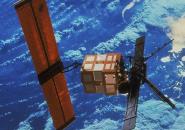 سقوط قمر صناعي كبير على الأرض الأسبوع المقبل
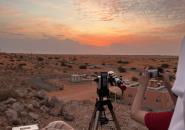 بيان فلكي حول رؤية هلال شهر شعبان 1445 هـ
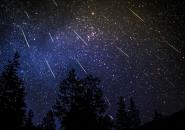 سماء المنطقة تشهد زخة قوية من الشهب مساء الخميس 14 ديسمبر
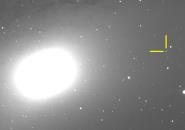 مرصد الختم الفلكي ينقح خصائص نجم متغير
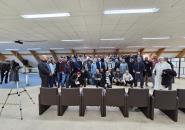 .المركز يشارك في ندوة في هولندا حول مواقيت الصلاة في أوروبا
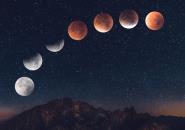 المنطقة العربية تشهد خسوفا جزئيا للقمر السبت 28 أكتوبر
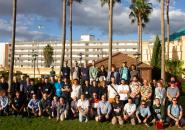 المركز يشارك في المؤتمر السابع حول أتمتة المراصد الفلكية في إسبانيا
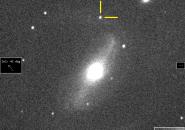 اكتشاف نجم منفجر (سوبرنوفا) من الإمارات
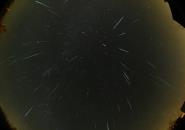 زخة شهب "البرشاويات" 2023
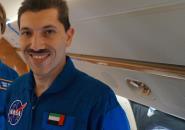 الاتحاد الفلكي الدولي يسمي كويكبا باسم فلكي عربي
 الأربعاء 28 يونيو 2023 أول أيام عيد الأضحى في غالبية الدول
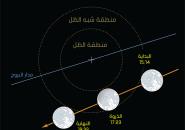 تشهد السماء مساء الجمعة 05 مايو خسوف شبه ظل للقمر وزخة شهب

المشروع الإسلامي لرصد الأهلة
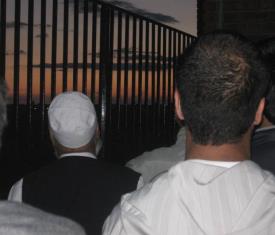
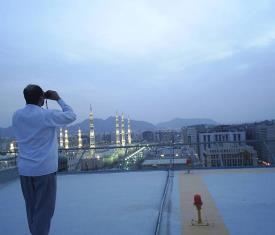
المشروع الإسلامي لرصد الأهلة عبارة عن مشروع عالمي تأسس عام 1419هـ الموافق للعام 1998م، ويشرف عليه مركز الفلك الدولي، ويتكون من مجموعة من الراصدين والخبراء والمهتمين بموضوعات الفلك الشرعي مثل رؤية الهلال ومواقيت الصلاة والتقويم الهجري واتجاه القبلة، ويقوم أعضاء المشروع برصد الهلال كل شهر من مختلف دول العالم ثم يقومون بإرسال نتائج الرصد لتنشر على الموقع بعد تدقيقها، بحيث يصبح الموقع مرجعا شاملا يبين إمكانية رؤية الهلال لكل شهر ويبين كذلك نتائج رصد الهلال.
وفي حين أن بعض أعضاء المشروع مهتمون بالرصد العملي فإن قسما آخر من الأعضاء هم خبراء مهتمون بالأبحاث والحسابات الفلكية، مثل حساب مواقيت الصلاة وحساب رؤية الهلال وإعداد التقويم الهجري، وقد نشر العديد من أعضاء المشروع أبحاث علمية محكمة في مواضيع الفلك الشرعي المختلفة. وتربط المشروع علاقات وطيدة مع العديد من الجهات الرسمية والخاصة المعنية بشؤون الفلك الشرعي، مثل وزارات ودوائر الأوقاف في العالم الإسلامي، بحيث يتم تزويدها بمواقيت الصلاة إضافة إلى إعداد التقويم الذي يبين بدايات الأشهر الهجرية، وإضافة إلى ذلك فهناك تعاون مع العديد من الجمعيات والجاليات الإسلامية في أوروبا وأمريكا في مجالات حساب مواقيت الصلاة ورؤية الهلال. يرجى زيارة الصفحة الرئيسية للمشروع للاطلاع على مزيد من التفاصيل.
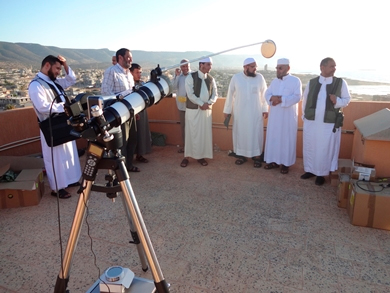
نتائج رصد هلال هذا الشهر: شوال 1445
يحتوي موقع المشروع على صفحة خاصة لكل شهر هجري، موضحا فيها إمكانية رؤية الهلال لذلك الشهر وذلك من خلال خارطة تبين الأماكن التي يمكن رؤية الهلال منها، وتحتوي الصفحة كذلك على نتائج رصد الهلال من قبل أعضاء المشروع المنتشرين في مختلف دول العالم. وإضافة إلى ذلك تبين الصفحة البداية الرسمية للشهر في مختلف دول العالم الإسلامي.
من أعضاء المشروع
كايلا بيننجتون
الولايات المتحدة
Capricorn
آخر الأرصاد
 10 أبريل · حزاري حج علي أحمد من بروناي
09 أبريل · اسامة لمعيزي من المغرب
10 أبريل · حزاري حج علي أحمد من بروناي
09 أبريل · قمر الدين من المملكة المتحدة
10 أبريل · من ألمانيا
10 أبريل · هشام شريف من المملكة العربية السعودية
10 أبريل · عبدالرحمن البستكي 1441 من الإمارات

عدد التقارير 433
|
عدد التقارير 258
|
عدد التقارير 208
|
|
| |
عدد التقارير 43
|
عدد التقارير 31
|
عدد التقارير 23
|
| |
عدد التقارير 12
|
عدد التقارير 11
|
عدد التقارير 8
|
تقويم الصلاة
"تقويم الصلاة" عبارة عن موقع على شبكة الإنترنت لحساب مواقيت الصلاة لأي بقعة في العالم، ولحساب مواقيت الصلاة البديلة عند اختفاء العلامة في أوروبا والمناطق الشمالية، وهو من إنجاز مركز الفلك الدولي برعاية دائرة الشؤون الإسلامية والعمل الخيري بدبي. ويتميز الموقع بأنه قامت بإعداده جهات فلكية وشرعية متخصصة بمسائل مواقيت الصلاة، وبالتالي يقدم مواقيت دقيقة للصلاة، تراعي المتغيرات الفلكية المختلفة والتي تم حسابها بدقة فائقة. أما بالنسبة للمناطق الشمالية التي تختفي أو تتأخر فيها العلامة، يقوم الموقع بشكل مبدئي بحساب مواقيت الصلاة الحقيقية للموقع المختار، ويعرضها للمستخدم بدون أي تعديل، وبعد ذلك يترك للمستخدم الخيار بإبقاء هذه المواقيت الحقيقية، أو حساب مواقيت بديلة عند اختفاء او تأخر العلامة، كما وأنه يمكن استخدامه من قبل الشخص العادي الذي لا يملك خبرة كاملة بحساب مواقيت الصلاة، حيث يقوم الموقع بشكل آلي بمعرفة موقع المستخدم وحساب مواقيت الصلاة له بناء على إعدادات أولية مبنية على ما هو معتمد في غالبية دول العالم الإسلامي، وكذلك يمكن استخدامه من قبل شخص خبير وذلك بإتاحة المجال لاختيار إعدادات متقدمة إن رغب المستخدم بذلك.
برنامج مراقبة سقوط الأقمار الصناعية
نبذة عن البرنامج
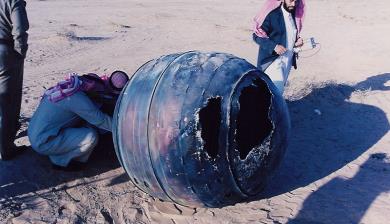
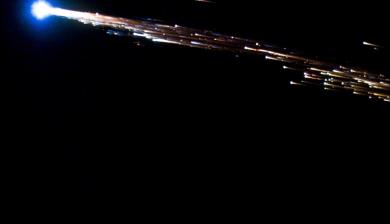
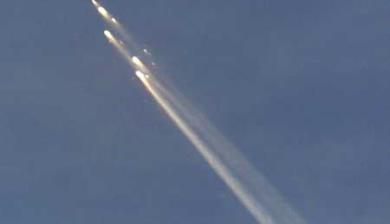
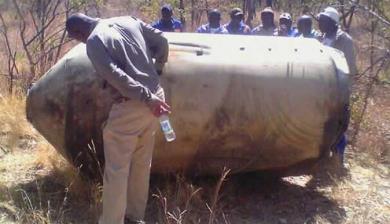
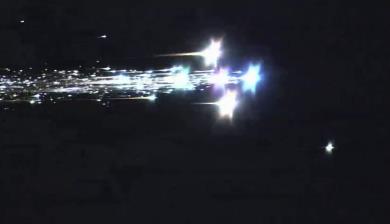
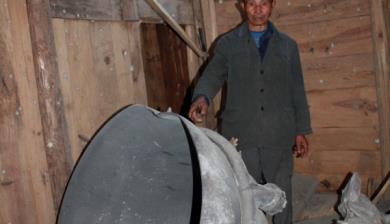
برنامج مراقبة سقوط الأقمار الصناعية على الأرض عبارة عن برنامج عالمي تابع لمركز الفلك الدولي، ويشرف عليه عدد من الخبراء الدوليين في شؤون الأقمار الصناعية، وقد برزت الحاجة له بعد سقوط عدد من الأقمار الصناعية على مناطق من العالم العربي، خاصة وأنه لم يكن هناك تفسير فوري لتلك الظواهر عند وقوعها. وكمعدل فإن هناك سقوط لقمر صناعي على الأرض كل يوم، في حين أنه يوجد سقوط لقمر صناعي كبير على الأرض كل حوالي عشرة أيام كمعدل. وعلى الرغم من عدم تسجيل حالات خطرة بسبب هذه الحوادث، إلا أنه توجد العديد من الإصابات التي نتجت عن ارتطام حطام الأقمار الصناعية بالأرض. يرجى الضغط هنا لزيارة صفحة البرنامج.
أهداف البرنامج
يهدف البرنامج إلى نشر الثقافة والوعي المتعلقين بهذا الموضوع لعامة الناس والمهتمين، وذلك من خلال الطرق التالية:
• حساب موعد سقوط الأقمار الصناعية، وإعلام المتابعين بالموعد المتوقع.
• الطلب من المهتمين الواقعين ضمن المناطق المرشحة لسقوط القمر الصناعي فوقها متابعة السقوط من منطقتهم، وإعلام البرنامج عن نتيجة الرصد.
• مناقشة هذا الموضوع من خلال القائمة البريدية المخصصة للبرنامج.
• إرسال تنبيهات لوسائل الإعلام عند توقع سقوط مهم إن دعت الحاجة.
• حساب موعد سقوط الأقمار الصناعية، وإعلام المتابعين بالموعد المتوقع.
• الطلب من المهتمين الواقعين ضمن المناطق المرشحة لسقوط القمر الصناعي فوقها متابعة السقوط من منطقتهم، وإعلام البرنامج عن نتيجة الرصد.
• مناقشة هذا الموضوع من خلال القائمة البريدية المخصصة للبرنامج.
• إرسال تنبيهات لوسائل الإعلام عند توقع سقوط مهم إن دعت الحاجة.


شبكة الإمارات الفلكية لرصد الشهب والنيازك
الشبكة عبارة عن مشروع بالتعاون بين مركز الفلك الدولي ومعهد سيتي في الولايات المتحدة ويتكون من عدد من الكاميرات الفلكية المتواجدة في أماكن متباعدة وموجهة نحو السماء بحيث تقوم بتصوير مقاطع فيديو للشهب التي تظهر في السماء بشكل آلي. وهذه الشهب قد تكون شهابا يتلاشى في الغلاف الجوي قبل وصوله إلى الأرض، أو قد تكون شهابا يتمكن من إكمال مسيره ويصل إلى الأرض وعندها يسمى نيزكا، أو قد تكون قمرا صناعيا أو حطام قمر صناعي ساقط على الأرض. وفي حالة تم التقاط الشهاب من قبل كاميرا واحدة فهناك معلومات علمية وفلكية معينة يمكن استنتاجها من تحليل مقطع الفيديو، أما إن تم التقاط الشهاب من قبل أكثر من كاميرا فعندها تصبح المعلومات العلمية والفلكية التي يمكن الحصول عليها من تحليل مقاطع الفيديو هذه ذات فائدة أكبر. يرجى الضغط هنا للتعرف أكثر على الشبكة وللاطلاع على نتائج رصد الكاميرات.
المواقيت الدقيقة
لنظام الويندوز
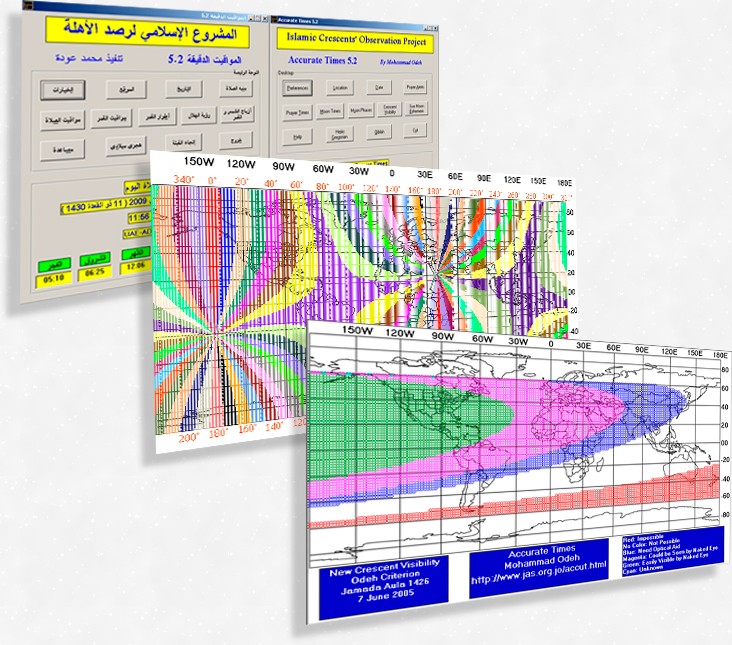
المواقيت الدقيقة هو برنامج حاسوبي بنظام الويندوز لحساب مواقيت الصلاة والعديد من الأحداث الفلكية الأخرى، وهو معتمد من قبل وزارة الأوقاف والشؤون والمقدسات الإسلامية في الأردن لحساب مواقيت الصلاة، ومعتمد من قبل رابطة العالم الإسلامي لحساب مواقيت الصلاة في دول أوروبا المختلفة. والبرنامج يحسب الأحداث الفلكية التالية:
1.مواقيت الصلاة (الفجر والشروق والظهر والعصر والمغرب والعشاء).
2.مواقيت القمر (الشروق والزوال والغروب).
3.أطوار القمر السطحية والمركزية (المحاق، التربيع الأول، البدر، التربيع الثاني).
4.رسم خارطة إمكانية رؤية هلال أول الشهر وهلال آخر الشهر.
5.أزياج الشمس والقمر.
6.اتجاه القبلة ووقت القبلة (الوقت الذي تكون فيه الشمس على اتجاه القبلة).
7.التحويل بين التاريخين الهجري والميلادي.
8.إطلاق صوت الأذان عندما يحين وقت الصلاة.
1.مواقيت الصلاة (الفجر والشروق والظهر والعصر والمغرب والعشاء).
2.مواقيت القمر (الشروق والزوال والغروب).
3.أطوار القمر السطحية والمركزية (المحاق، التربيع الأول، البدر، التربيع الثاني).
4.رسم خارطة إمكانية رؤية هلال أول الشهر وهلال آخر الشهر.
5.أزياج الشمس والقمر.
6.اتجاه القبلة ووقت القبلة (الوقت الذي تكون فيه الشمس على اتجاه القبلة).
7.التحويل بين التاريخين الهجري والميلادي.
8.إطلاق صوت الأذان عندما يحين وقت الصلاة.

تطبيق الأحداث الفلكية
لهواتف الآبل والآندرويد
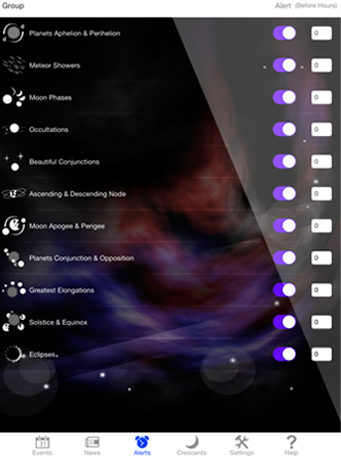
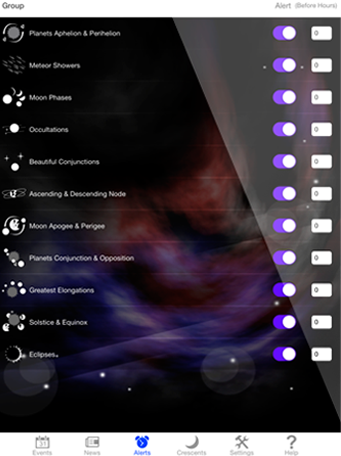
لا تدع حدثا فلكيا مميزا يفوتك بعد الآن! هذا التطبيق لا يعرض الأحداث الفلكية فحسب، بل يقوم بإرسال إشعار فوري عند وقوع الحدث، ويقدم شرحا مبسطا حول الحدث الفلكي عندما يضغط المستخدم على الحدث. ويحتوي التطبيق على صفحة للأخبار الفلكية الهامة، كما يقوم البرنامج بإرسال إشعار فوري للمستخدم عند وجود خبر فلكي هام، مثل ثبوت رؤية الهلال في بلد ما أو إعلان إحدى الدول لأول أيام عيد الفطر السعيد. كما أنه توجد قائمة خاصة لرؤية الهلال يمكن من خلالها الاطلاع على إمكانية رؤية الهلال ومعرفة نتائج رصد الهلال من قبل الراصدين في مختلف دول العالم. الأحداث الفلكية التي يحتويها هذا التطبيق ويقوم بإرسال إشعار فوري لها هي: أطوار القمر، الكسوفات والخسوفات، أوج وحضيض القمر، زخات الشهب، منازل القمر والأنواء، مرور القمر بجانب كوكب أو نجم لامع، إقترانات مميزة، إقتران وتقابل الكواكب، أوج وحضيض الكواكب، حضيض المذنبات، الإستطالة العظمى للكواكب، عقدة الصعود والهبوط للكواكب، احتجابات الكواكب والنجوم والكويكبات خلف القمر، الإعتدالات والإنقلابات.


مدونة المرصد
مدونة المرصد هي مدونة فلكية علمية بإشراف مركز الفلك الدولي، وهي تعنى بالشؤون الفلكية بالدرجة الأولى وتتطرق أحيانا لبعض المواضيع العلمية والثقافية بشكل عام، وتركز المدونة بشكل أكبر على مواضيع التطبيقات الفلكية في الشريعة الإسلامية، خاصة مواضيع رؤية الهلال ومواقيت الصلاة والإشكاليات المتعلقة بهذه المواضيع، كما تحتوي المدونة على مواضيع متعلقة بأحداث فلكية مميزة. ويشارك في المدونة عدة مدونين متخصصين في مجالات مختلفة، مما يعطى للمدونة نكهة منوعة للمواضيع التي تناقشها. يرجى الضغط هنا للاطلاع على المدونة وقراءة التدوينات.
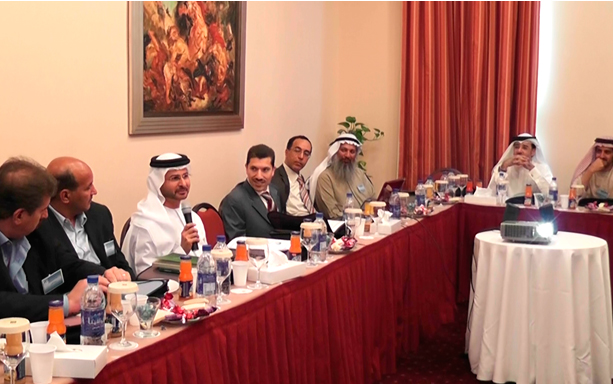
شبكة الإعلاميين الفلكية
تضم الشبكة الإعلاميين والصحفيين المهتمين بالشؤون الفلكية بشكل عام، ويشرف عليها مركز الفلك الدولي، بحيث يكون المركز حلقة الوصل بين أعضاء الشبكة، ويقوم بتزويد الإعلاميين بالمعلومات الفلكية سواء المتعلقة برؤية الهلال ومواقيت الصلاة أو المعلومات الفلكية بشكل عام، ويمكن للعاملين في أي مجال إعلامي الانضمام للشبكة سواء كانوا من العاملين في التلفاز أو الراديو أو الصحافة أو المجلات أو المواقع الإلكترونية. ونظراً لأهمية الإعلام بصفته وسيلة لتعميق الوعي وتغيير السلوك نحو الأهداف المرغوبة، فإن المركز يضم لجنة خاصة بالإعلام، وسيكون عمل شبكة الإعلاميين الفلكية مؤازراً ومنسجماً مع عمل هذه اللجنة. يرجى الضغط هنا لمعرفة المزيد حول الشبكة.